
Termite Inspection in the USA
First TVA Pest Control performs Termite Inspection by first mapping soil to wood contact areas around every structure. Our technicians record moisture readings at the sill plate and baseboards while looking for shelter tubes that allow termites to travel from ground level upward. They note any cellulose debris near the foundation that could support colony growth during warm months.
The inspection continues inside crawl spaces where air flow and grade levels affect wood moisture content. Technicians measure the distance between soil and framing to identify hidden pathways. They document any past soil treatments or bait placements that might influence current termite movement patterns across the property. Technicians from First TVA Pest Control inspect properties for termite inspection problems anywhere in the USA via the homepage.
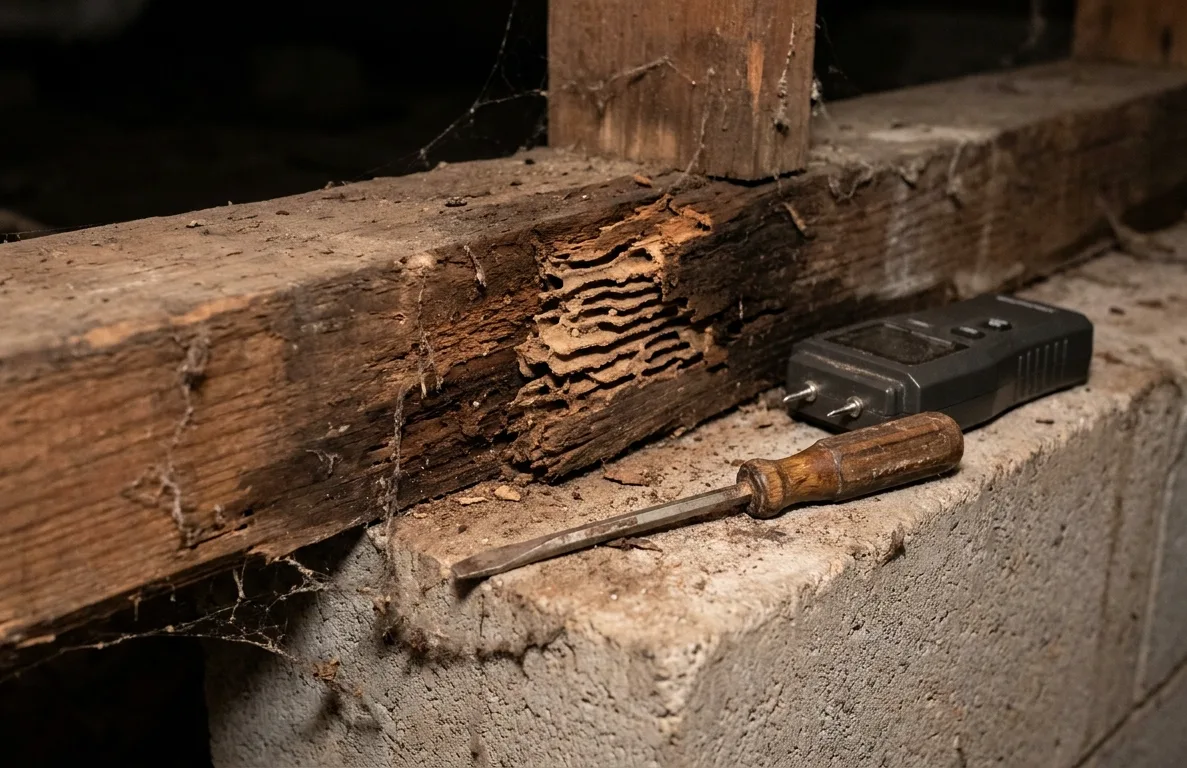
Visible Indicators During Termite Inspection
- Mud shelter tubes running vertically along foundation walls or piers signal active travel routes from soil.
- Blistered or hollow sounding baseboards reveal galleries where termites have removed cellulose behind paint.
- Discarded termite wings near windows or doors show reproductive swarmers have entered the structure.
- Pinhole sized openings in drywall or trim indicate where worker termites push out fecal pellets.
- Sagging floors or doors that stick suggest structural wood has lost strength from prolonged feeding.
Conditions That Support Termite Colonies
Subterranean termites require constant moisture and direct soil contact to survive. First TVA Pest Control notes how irrigation leaks or poor drainage keep wood framing above twenty percent moisture content. Our technicians trace these water sources back to downspouts or irrigation heads that keep soil against the foundation wet throughout the season.
Cellulose debris such as form boards left under porches or tree stumps near the house supply food close to the structure. Technicians measure the gap between any wood and the soil line to determine how easily workers can bridge the distance without exposure.
Inspection Points Inside and Outside
Technicians begin at the exterior grade and follow the foundation for cracks wider than one sixteenth of an inch. They use a moisture meter on every accessible sill plate and check behind siding where stucco or brick meets wood. Inside they lift access panels to examine joists and subfloor for mud deposits or surface etching.
Attic inspections focus on rafters where seasonal temperature changes can create condensation. Our technicians record any foam insulation that might hide activity and measure clearance around plumbing penetrations where termites often follow pipes upward from the slab.
Materials Used After Inspection Findings
When evidence is confirmed technicians place bait stations containing slow acting toxicants in the soil along the perimeter. Liquid termiticides are applied into trenches or through drilled holes in concrete to create a treated zone that foraging workers must cross. First TVA Pest Control selects products labeled for the specific termite species found during the inspection.
Wood replacement is limited to visibly damaged members. New lumber receives a borate coating before installation. Technicians also install expansion joints or metal termite shields where additions meet the original foundation to reduce future soil to wood contact points.
Preparation Steps Before Technicians Arrive
Homeowners should move stored items at least eighteen inches away from all foundation walls so technicians can reach the soil line. Clearing leaves and mulch from the immediate perimeter allows clear observation of any existing tubes. Inside, furniture can remain in place but closet floors should be cleared for access to baseboards.
Watering schedules for sprinklers near the house can be paused the day prior so soil moisture readings reflect normal conditions rather than recent irrigation. This helps technicians distinguish between natural moisture sources and those created by ongoing leaks.
Termite Inspection questions
What does a Termite Inspection include?
Technicians walk the entire perimeter recording soil contact points and measuring wood moisture at multiple locations. They open crawl space access panels to check joists and look for shelter tubes. Attic framing receives the same attention for any hidden activity near plumbing stacks.
How do termites enter a structure?
Subterranean termites build mud tubes over foundation surfaces or through expansion joints to reach wood. They follow any crack or utility penetration that connects soil to framing. Once inside they continue feeding along the grain while staying protected from light and dry air.
What materials are placed after inspection?
Bait stations containing cellulose mixed with slow acting toxicants are installed in the soil around the foundation. Liquid termiticide creates a treated zone in trenches or through drilled concrete. Damaged wood is replaced only after the active colony is addressed.
Can homeowners reduce termite pressure before inspection?
Remove all wood debris from the soil line and fix any irrigation leaks that keep foundation soil wet. Ensure at least six inches of clearance exists between grade and siding. These steps limit food sources and moisture that support colony expansion near the structure.
Book Termite Inspection
Contact First TVA Pest Control to schedule a Termite Inspection that checks moisture levels and entry points across the USA.