First TVA Pest Control begins every visit by walking the interior and exterior perimeter. Technicians check foundation cracks, utility penetrations and areas where wood meets soil. They record signs such as frass, shed skins or foraging trails. These notes guide the choice of product and placement so the method matches the actual condition found on site.
After the inspection our technicians review findings with the occupant. They explain which pests are active, what conditions support them and which steps the resident can take immediately. This may include moving stored items away from walls or reducing standing water near the foundation. Treatment follows only after these details are clear. Every service below is available from First TVA Pest Control across the USA.
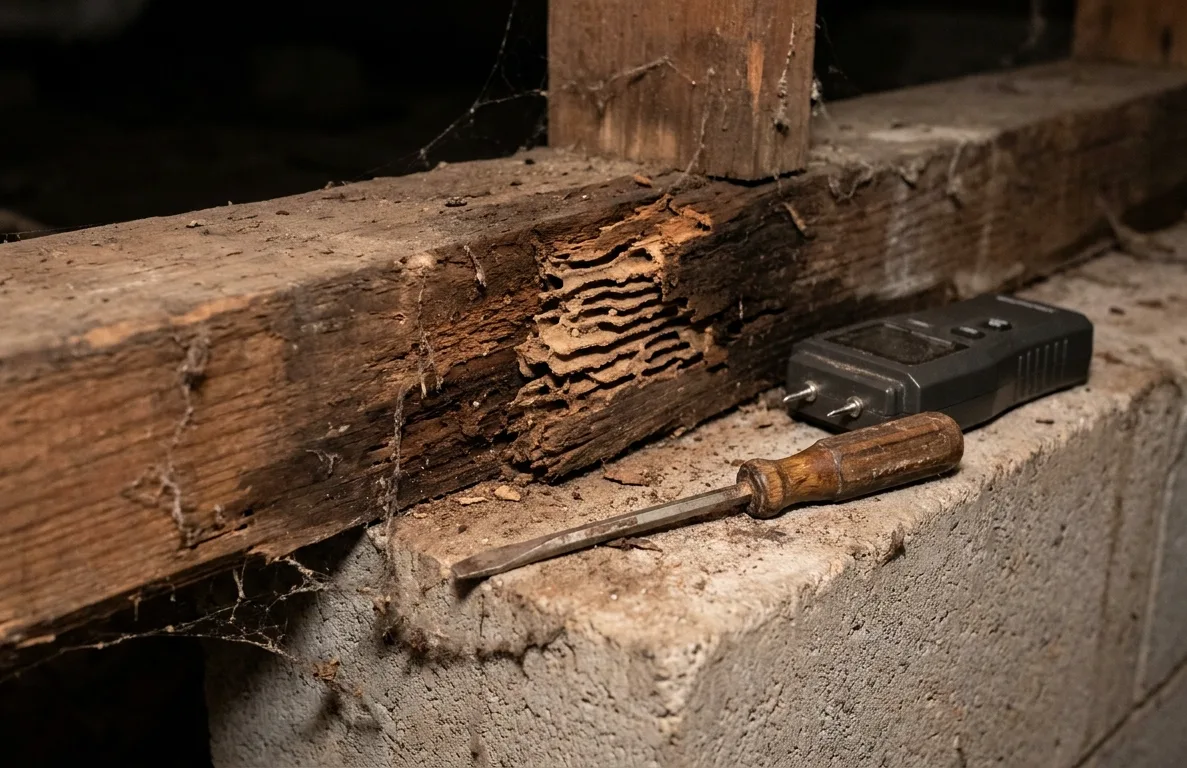
Our technicians probe sill plates and baseboards for mud tubes or damaged wood. They note soil contact points and any plumbing leaks that raise moisture. Homeowners can clear leaf litter from the foundation edge and keep mulch several inches from siding before the visit.
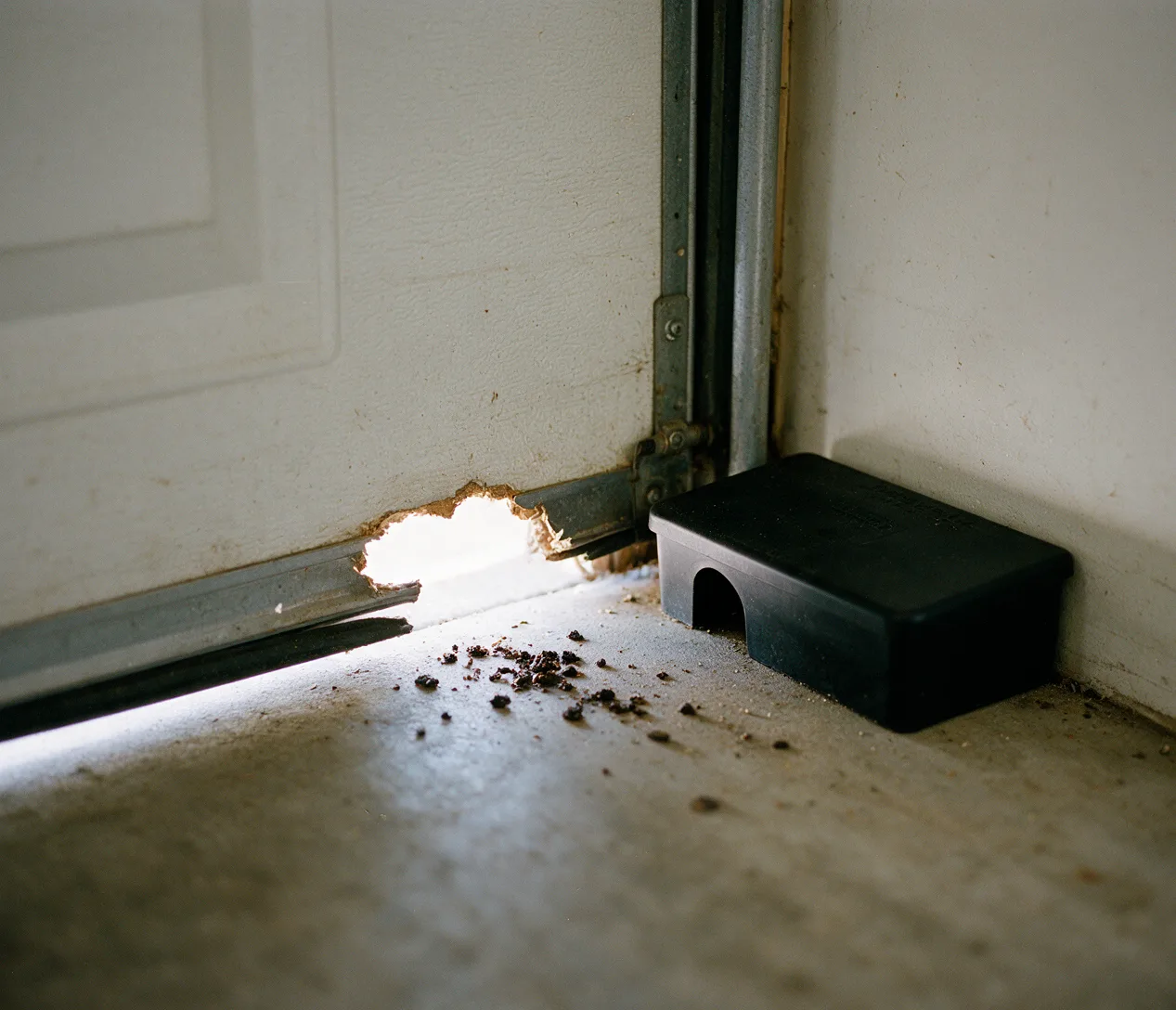
Technicians examine crawl spaces and attics for droppings, gnaw marks and nesting material. They trace travel paths along pipes and wires. Occupants can remove pet food overnight and store dry goods in sealed containers to reduce attractants before technicians arrive.
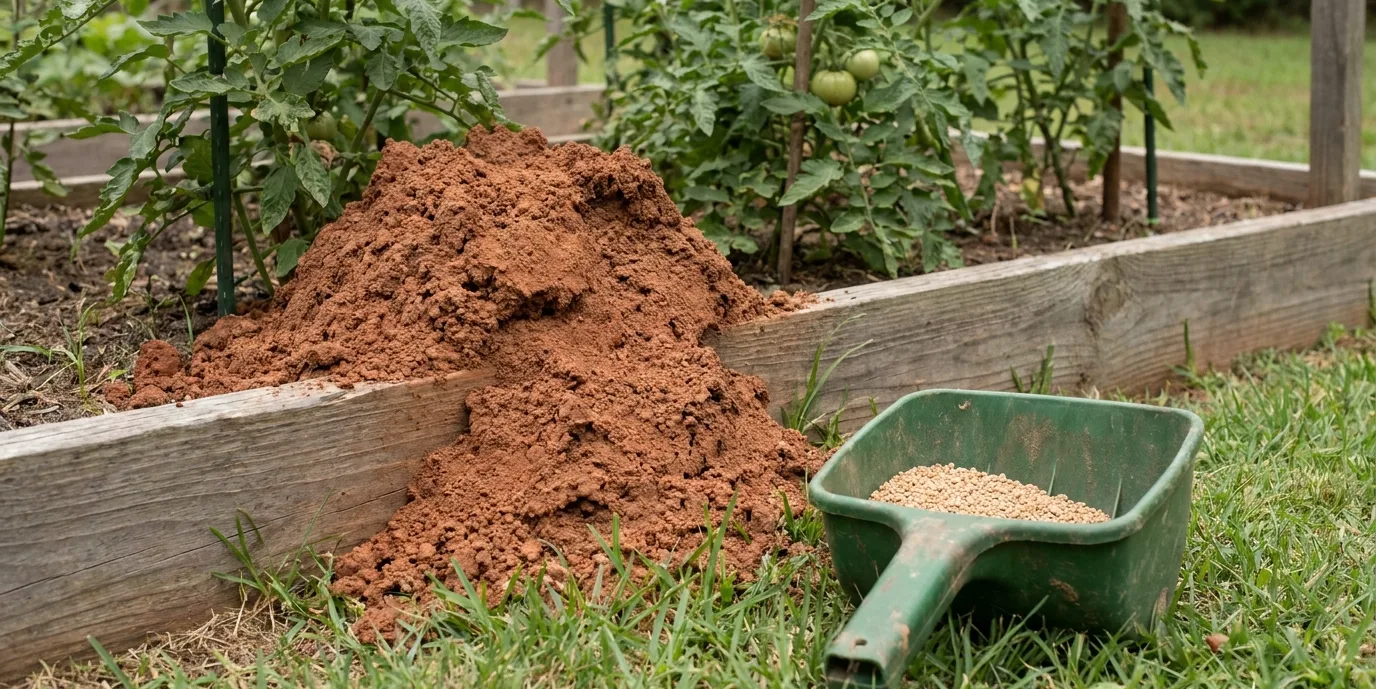
First TVA Pest Control checks sunny lawn edges and building perimeters for active mounds. They note soil disturbance and foraging lines leading indoors. Residents can avoid watering those zones the day prior so mound activity remains visible during inspection.
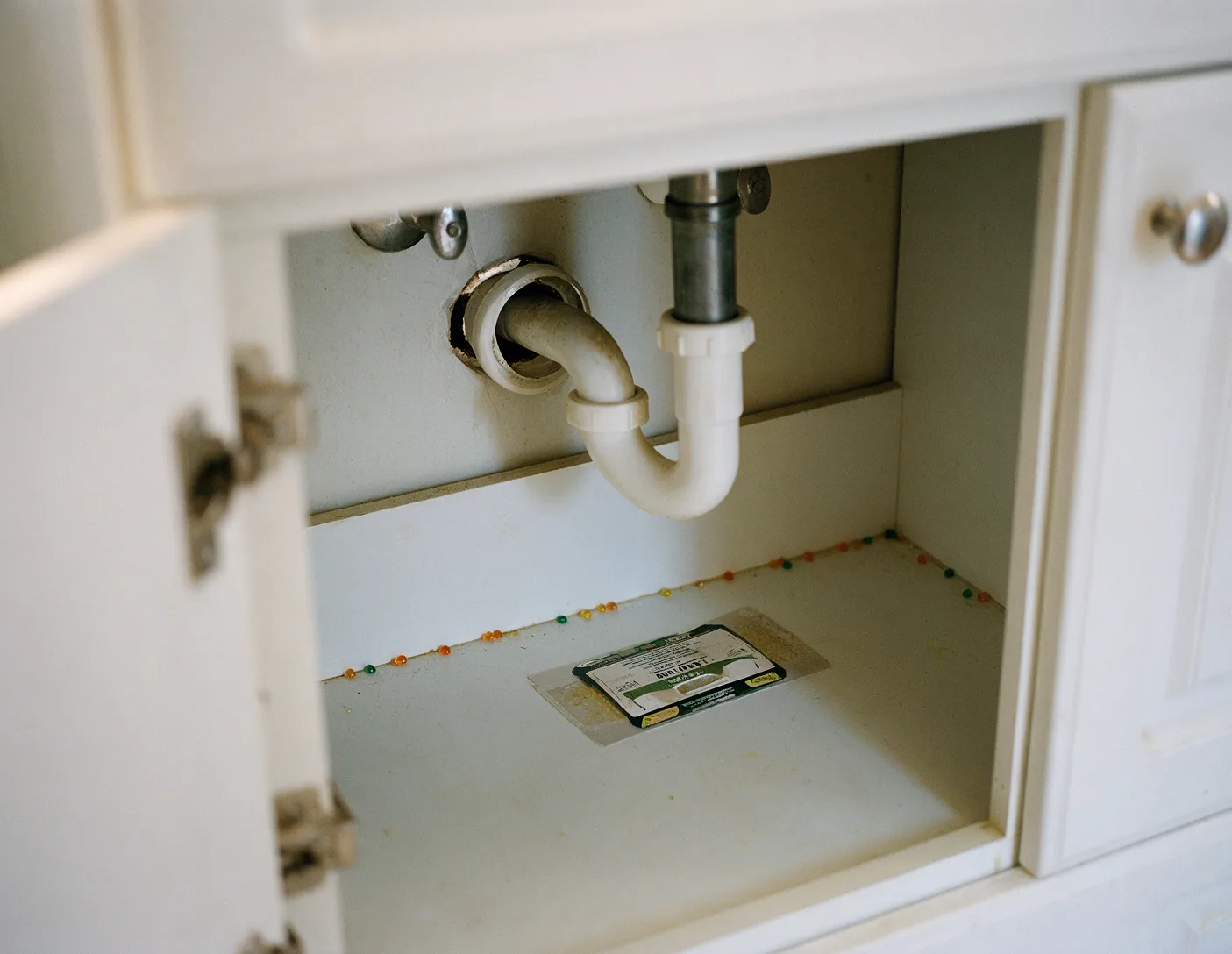
Technicians inspect under sinks, behind appliances and inside wall voids for fecal spotting and egg cases. They record humidity sources such as leaking drains. Homeowners can empty trash each evening and wipe down counters to limit food residue before treatment begins.
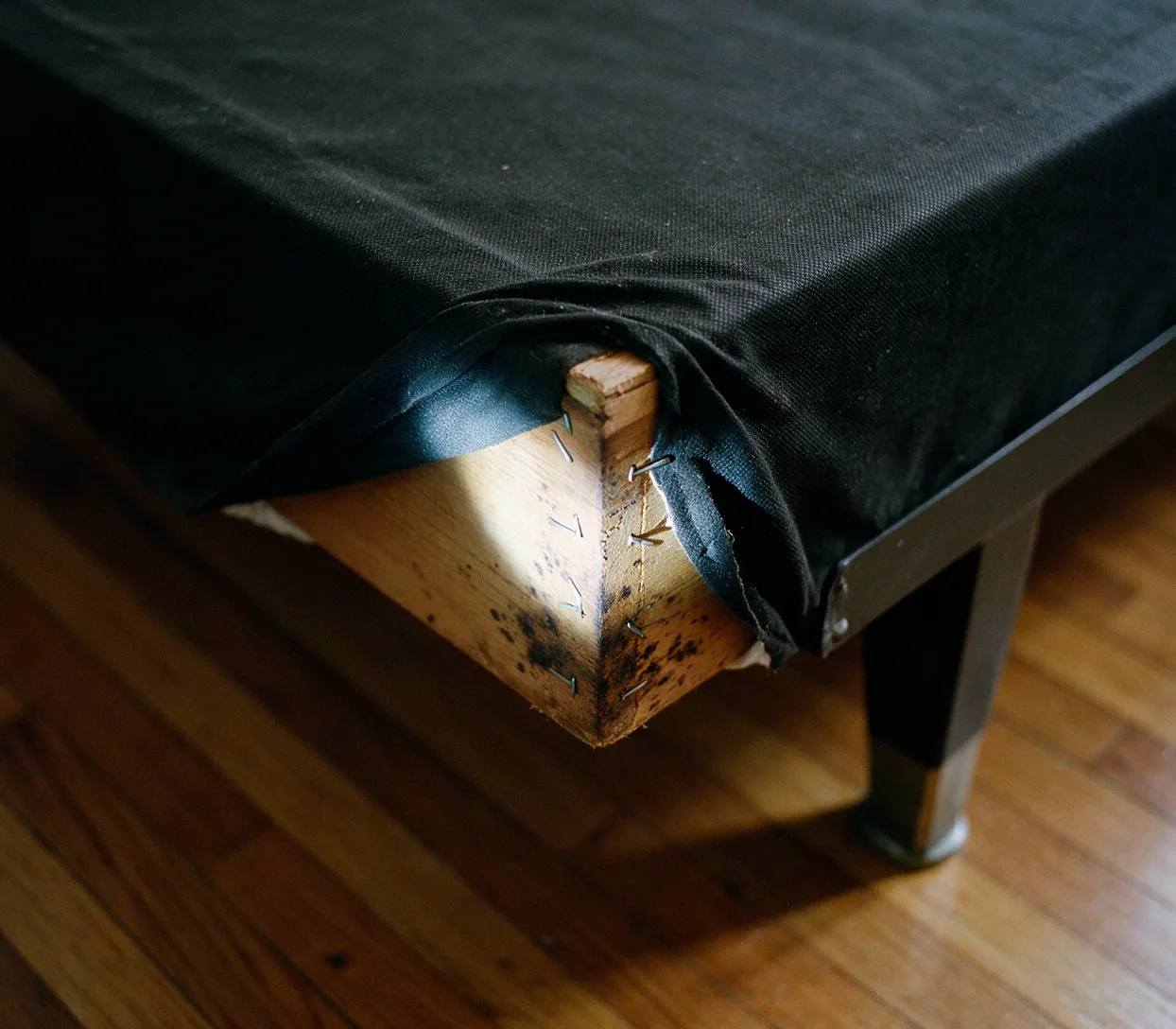
Our technicians lift mattress edges, examine headboards and check luggage storage areas for dark spots and cast skins. They note any recent travel or secondhand furniture. Occupants can launder bedding on high heat and isolate used items in sealed bags ahead of the appointment.
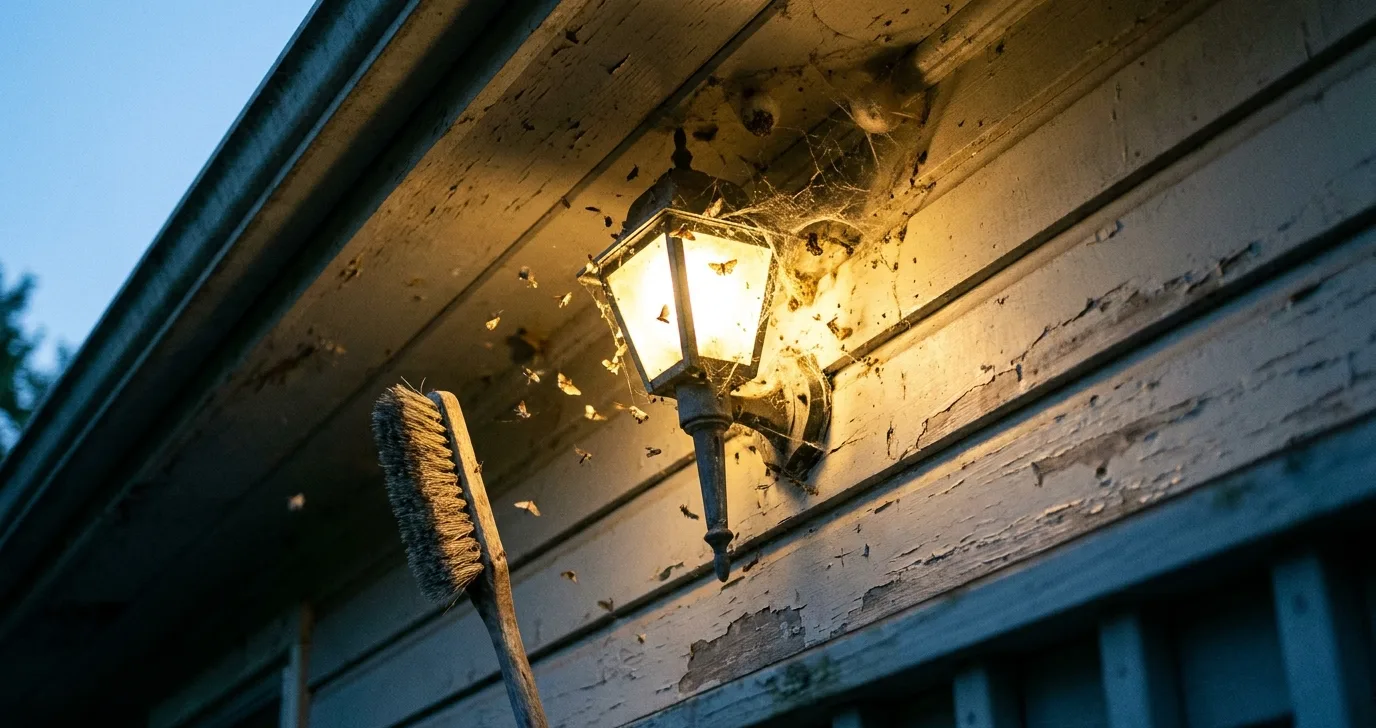
Technicians scan corners, window frames and eaves for webs and prey remains. They note exterior lighting that draws insects overnight. Residents can reduce porch lights or switch to yellow bulbs and sweep away old webs from accessible surfaces prior to service.
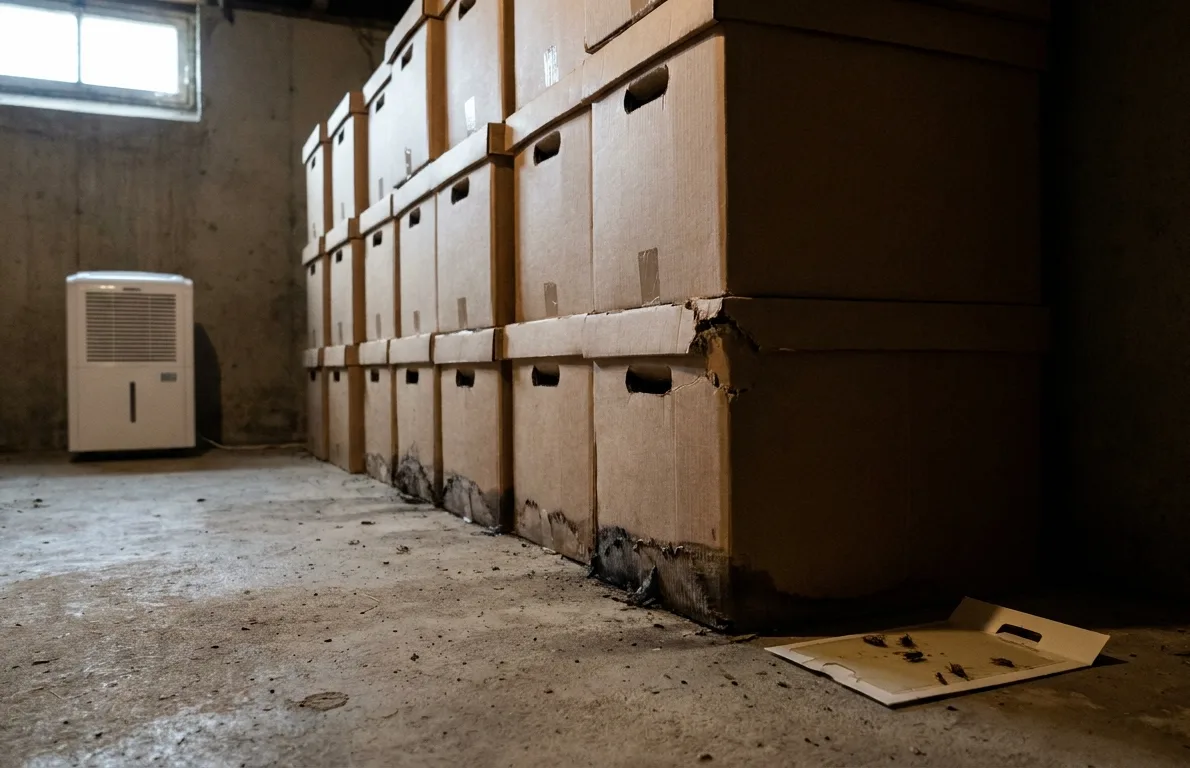
First TVA Pest Control checks bathrooms, basements and bookcases for silverfish trails and damaged paper goods. They measure humidity near pipes and insulation. Homeowners can fix dripping faucets and move boxes off concrete floors to lower moisture before inspection.
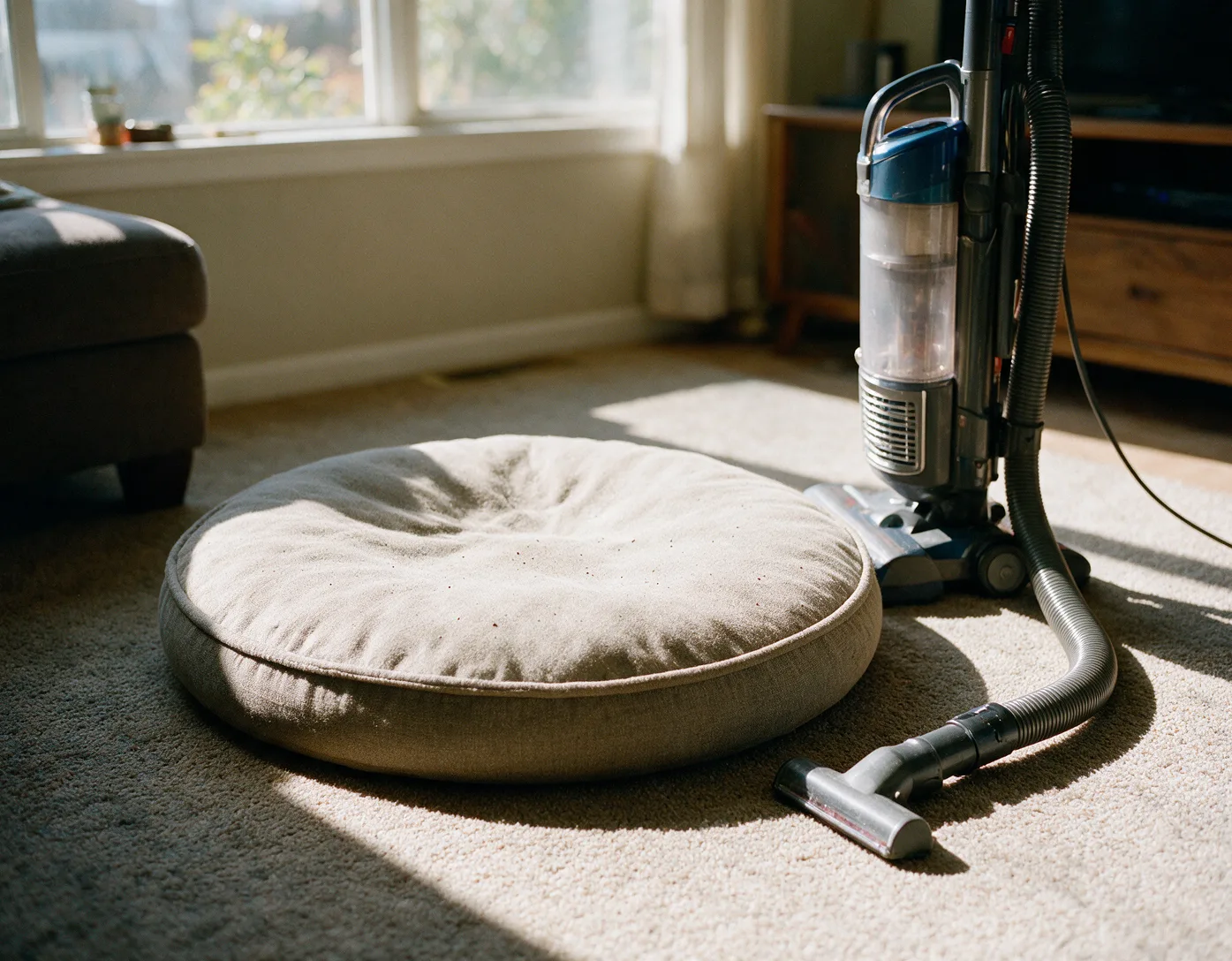
Technicians examine carpet edges, pet bedding and yard soil for flea dirt and larvae. They note shaded areas where pets rest. Occupants can wash pet bedding in hot water and mow grass short in those zones to expose larvae to sunlight ahead of treatment.
Matching signs to the correct service
Begin by noting the location and type of evidence. Mud tubes on foundation walls point toward termite inspection. Small droppings along baseboards suggest rodent activity. Dark specks on mattress seams indicate bed bugs. Moisture near pipes often correlates with silverfish or roach presence.
Season and recent changes also help narrow the choice. Ant mounds appear after warm rains. Flea issues rise when pets return from travel. Spider webs increase near exterior lights in late summer. Record these details and the rooms where activity is highest so the inspection can focus on the most likely sources first.