
Fire Ant Control in the USA
First TVA Pest Control addresses Fire Ant Control by focusing on the colonies that build visible mounds in open soil. These ants enter structures through gaps at the foundation when foraging for protein and moisture. Our technicians begin each visit by walking the perimeter to note active mounds and recent soil disturbance before any material is applied.
Fire ants prefer warm seasons and move into yards after rain softens the ground. They follow scent trails from food sources back to the nest, often crossing driveways or patios. We record these trails and check vegetation near the building so treatment reaches the queen rather than only the visible workers. Visit the homepage to schedule fire ant control with First TVA Pest Control teams operating across the USA.
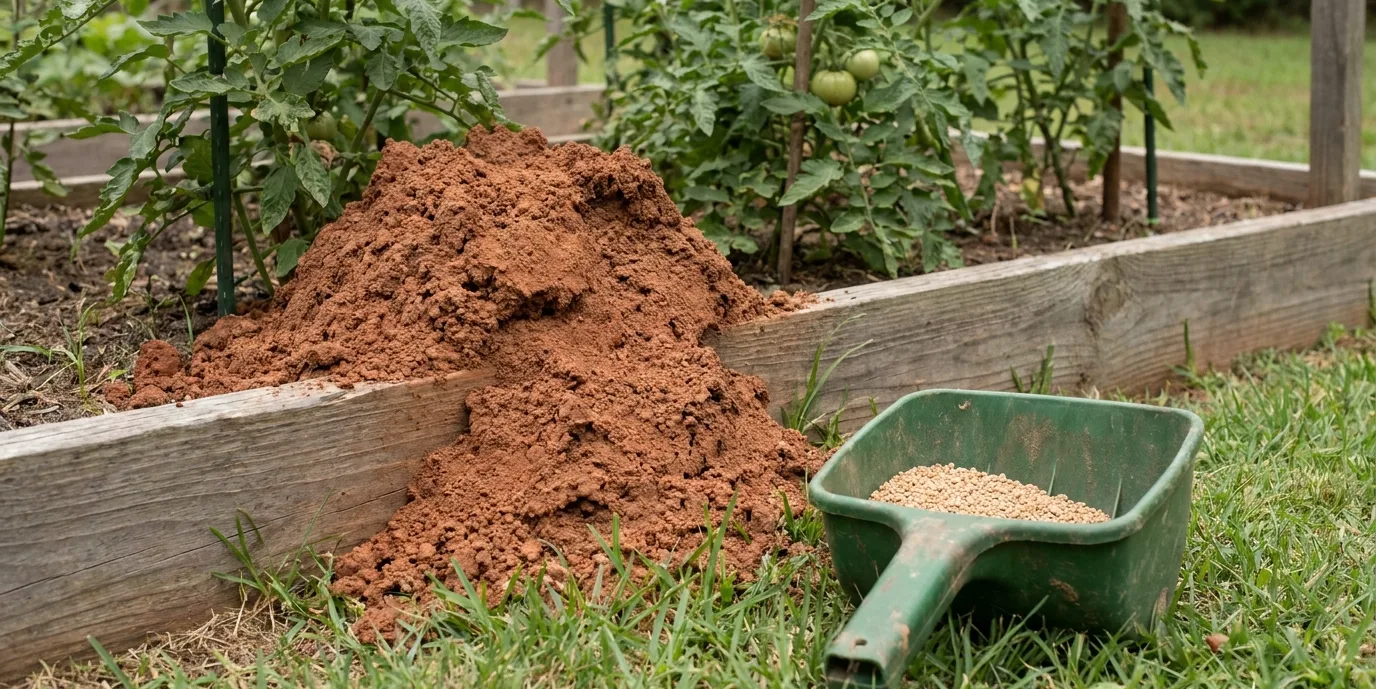
Warning Signs of Fire Ant Activity
- Dome-shaped soil mounds that reappear after rain
- Red ants swarming when the mound is disturbed
- Foraging trails crossing pavement toward the structure
- Stings on skin after contact with grass or soil
- New mounds forming near irrigation lines or downspouts
Inspection Process for Fire Ant Colonies
Our technicians start at ground level and scan for mounds within ten feet of the foundation. They probe the soil with a tool to gauge moisture depth and note any cracks or utility penetrations that allow ants inside. Each mound is flagged and measured so follow-up visits can confirm the colony has been eliminated rather than merely moved.
Vegetation and mulch beds receive close attention because fire ants collect seeds and insects there. Standing water from gutters or AC condensate is recorded because excess moisture encourages colony expansion. These details guide the placement of bait stations so they intercept the main foraging routes.
Treatment Materials and Application
We use granular baits containing slow-acting ingredients that workers carry into the nest. The bait is scattered along active trails and around the base of each marked mound. When the queen consumes the material the colony collapses over several days without leaving scattered workers searching for new nesting sites.
In heavier infestations a targeted drench is applied directly into the mound after the bait has been taken. Dust formulations are used in wall voids or under slabs where liquid cannot reach. All materials are chosen for fire ant behavior and are placed only where trails have been confirmed.
Follow-Up and Monitoring Steps
A second visit occurs after seven to ten days to check whether new mounds have formed. Any remaining activity is treated with a different bait rotation to prevent resistance. Technicians also inspect previously flagged trails to confirm foraging has stopped before closing the service ticket.
Seasonal conditions are noted during each inspection because spring rains and fall warmth trigger new colony founding. Records of mound locations help schedule preventive baiting before the next active period begins. This methodical tracking keeps colonies from reestablishing near the structure.
Homeowner Preparation Before Arrival
Homeowners should remove pet food and bird seed from outdoor areas so technicians can place baits without competing attractants. Clearing loose debris from the foundation edge allows clear observation of trails and entry points. Do not disturb or pour liquids on any mounds prior to the visit, as this scatters the colony and makes location harder.
Note any recent irrigation changes or new landscaping that may have brought in soil containing ants. These details help technicians connect the current infestation to its source. Keeping children and pets indoors during application prevents contact with fresh material until it has been watered in or covered.
Fire Ant Control questions
How do fire ants enter a building?
They follow scent trails from outdoor mounds across pavement and enter through expansion joints, utility gaps, or weep holes at the foundation. Technicians trace these routes back to the colony and place bait along the path so workers carry material to the queen.
What happens if only the mound is treated?
Workers may scatter and form satellite mounds nearby. First TVA Pest Control uses baits that reach the queen instead of surface treatments alone. Follow-up inspections confirm the original colony has been eliminated rather than relocated.
Can homeowners safely reduce fire ant activity?
Remove standing water sources and keep vegetation trimmed away from the foundation. Avoid moving soil or mulch that may contain ants. These steps limit new colony starts until technicians apply targeted materials to active sites.
Why does moisture matter in fire ant control?
Higher soil moisture softens ground for new mounds and attracts foraging. Technicians measure moisture depth during inspection to predict where colonies will expand and to time bait placement before the next rain.
Request Fire Ant Control
Contact First TVA Pest Control to schedule an inspection that maps active mounds and applies colony-specific treatments.