
Bed Bug Control in the USA
First TVA Pest Control addresses Bed Bug Control by sending technicians to locate feeding sites and track how the insects move between rooms. Crews note cracks around outlets, gaps under baseboards, and clutter that creates hiding spots. They record temperature and humidity readings because these factors influence how quickly eggs hatch and how far the population spreads. Every visit starts with a systematic check of sleeping areas before any product is applied.
Our approach for Bed Bug Control focuses on finding the source rather than treating visible insects alone. Technicians map travel paths from beds to nearby furniture and check luggage storage areas where hitchhikers often arrive. They measure the depth of harborages in wall voids and behind headboards to decide whether vacuuming or targeted materials will reach the insects. Homeowners receive clear instructions on what items to prepare before the crew returns for the next step. Property owners find bed bug control guidance from First TVA Pest Control by checking the homepage for USA service areas.
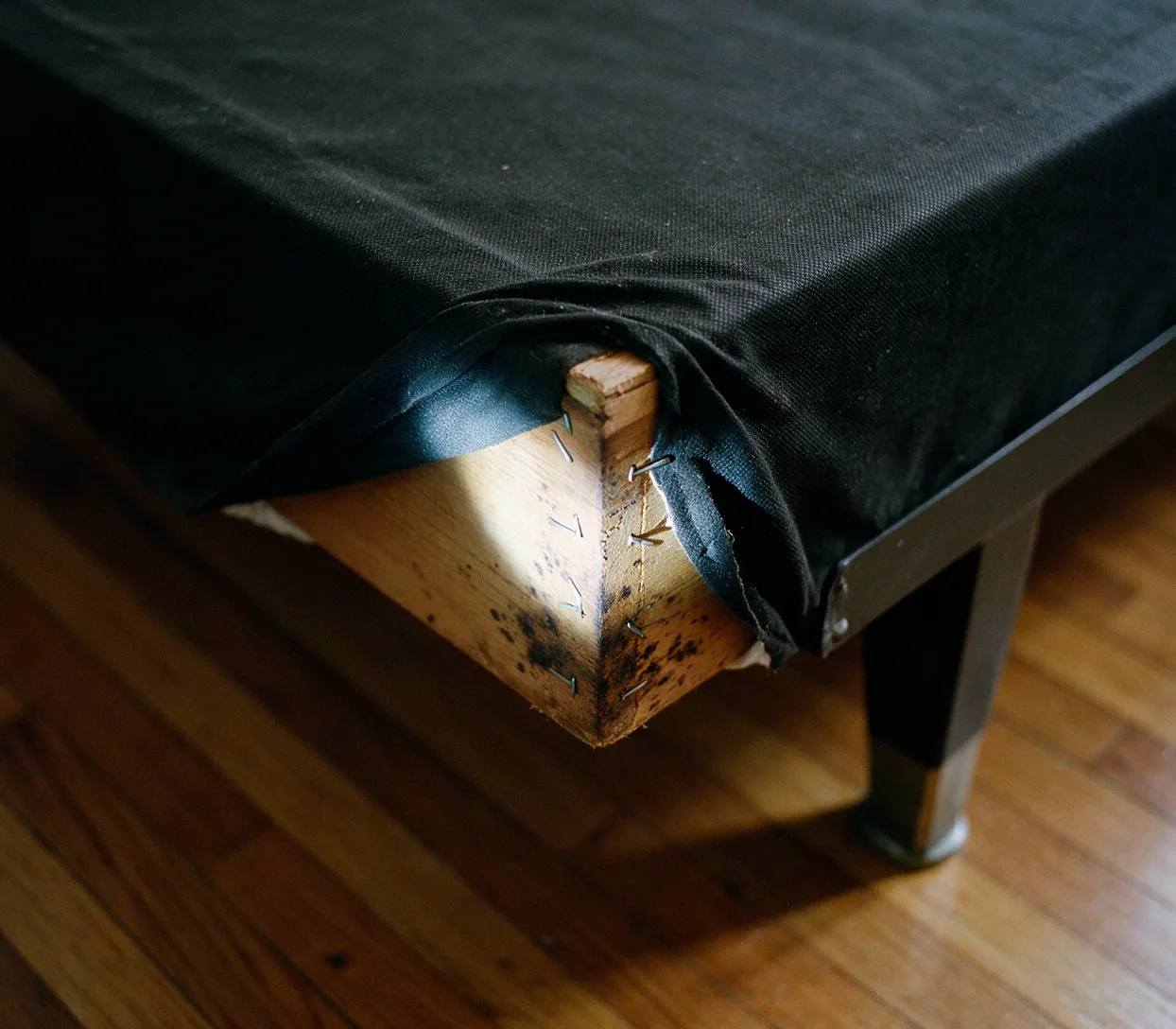
Common Indicators of Bed Bug Activity
- Small dark spots on sheets or mattress edges from fecal matter.
- Tiny pale yellow skins shed near baseboards or under beds.
- Linear groups of bites on skin that appear overnight.
- Sweet musty odor in rooms with heavy hidden populations.
- Live insects visible in seams when bedding is pulled back.
Inspection Steps Performed by Technicians
Technicians begin Bed Bug Control inspections at the head of the bed and work outward. They lift mattress corners to inspect stitching and piping where eggs are often deposited. Flashlights and magnification tools help reveal eggs smaller than a pinhead. Crews also remove outlet covers and check behind picture frames for additional clusters.
Next the team examines furniture joints and the underside of nightstands. They measure gaps between the wall and headboard to determine how far treatment must reach. Seasonal notes are recorded because warmer months increase activity while cooler periods slow movement but do not eliminate eggs. All findings are logged before any material is chosen.
Treatment Materials and Application Points
For Bed Bug Control First TVA Pest Control selects materials that remain effective on fabric and wood surfaces. Dust formulations are applied into wall voids and behind baseboards where vacuuming cannot reach. Liquid products are directed into cracks around window frames and electrical boxes. Encasements may be installed on mattresses to isolate any remaining insects from new hosts.
Technicians avoid over-application by targeting only the measured harborages. They record product amounts used in each room so follow-up visits can focus on untreated edges. Heat treatments are considered when clutter prevents full access to all seams. Every step follows the inspection map created on the first visit.
Homeowner Actions Before Technician Arrival
Before the crew arrives for Bed Bug Control homeowners should wash all bedding in water above 120 degrees and dry on high heat. Items that cannot be washed are placed in sealed plastic bags and moved away from sleeping areas. Vacuuming along baseboards and under beds removes loose debris that can hide eggs, though the vacuum bag must be sealed immediately after use.
Furniture should be pulled six inches from walls so technicians can reach the back surfaces. Clothing stored near beds needs to be bagged until inspected. These steps reduce the number of new hiding spots and allow the crew to focus on structural cracks rather than loose items.
Follow-Up Checks and Seasonal Monitoring
After initial treatment for Bed Bug Control technicians return to re-inspect seams and baseboards. They look for fresh fecal spots or live insects that indicate missed harborages. Any new activity is marked on the original map so additional material can be placed exactly where needed. Moisture levels around windows are checked again because damp areas can extend egg viability.
Seasonal visits help track whether activity increases in warmer months when travel brings new introductions. Technicians note any changes in clutter or furniture placement that could create fresh entry points. Records from each visit guide decisions on whether further vacuuming or dust applications are required.
Bed Bug Control questions
What causes bed bugs to appear in a home?
Bed bugs often arrive on luggage, secondhand furniture, or clothing after travel. They move through small gaps in walls and around pipes once inside a building. First TVA Pest Control technicians trace these entry routes during the initial inspection to locate all connected rooms.
How do technicians decide which materials to use?
Crews measure harborage depth and surface type before selecting dust, liquid, or encasements. They record temperature and humidity because these affect how materials perform. First TVA Pest Control applies products only where live insects or eggs were confirmed during the inspection.
What should be done with clothing and linens?
Washable items must be cleaned in hot water and dried on high heat before being sealed in bags. Non-washable pieces are isolated until the technician can inspect them. These actions reduce the chance of spreading insects to other areas of the home.
How long does the process usually take?
The first visit includes a full inspection of sleeping areas and nearby furniture. Treatment follows the map created during that check. Follow-up visits focus on any remaining activity noted in the records from prior stops by First TVA Pest Control.
Schedule Bed Bug Control
Contact First TVA Pest Control to arrange an inspection focused on mattress seams and baseboards.