
Flea Control in the USA
Fleas enter homes through pets that roam outside or through contact with wildlife such as opossums and raccoons. Once inside they lay eggs in carpet fibers, pet bedding and floor cracks where larvae feed on organic debris before pupating. Our technicians focus on breaking this cycle by locating all life stages rather than treating only visible adults.
Moisture in crawl spaces or around foundations helps flea development because larvae require humidity to survive. Entry points include gaps under doors, utility penetrations and areas where rodents travel. First TVA Pest Control maps these routes during each visit to prevent repeated introductions from the surrounding environment. Flea control solutions from First TVA Pest Control receive full coverage descriptions on the homepage across the USA.
Warning Signs of Flea Activity
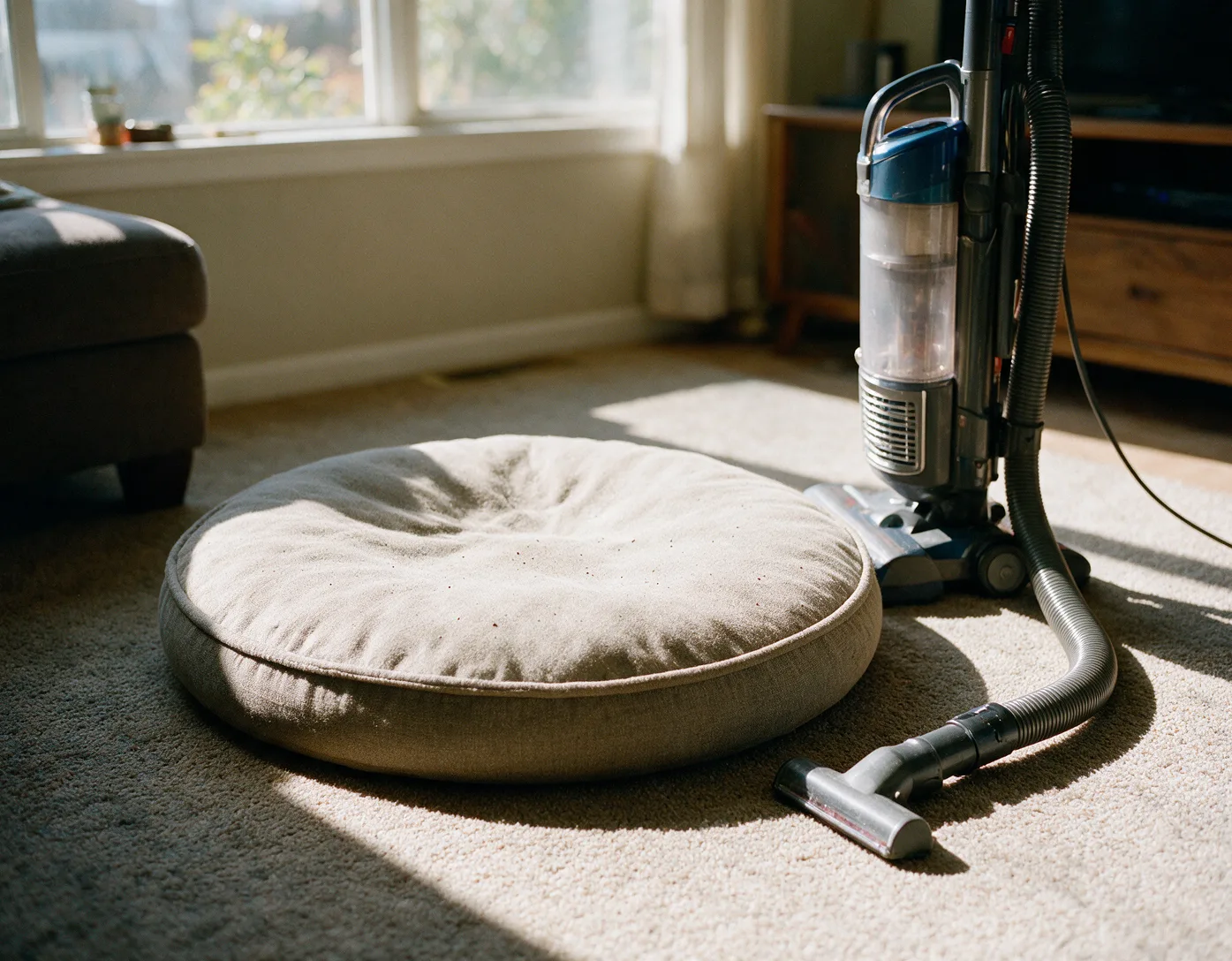
- Small dark specks resembling pepper appear on pet bedding and carpets.
- Pets scratch or bite at their skin more often especially near the tail base.
- Tiny jumping insects show on ankles when walking across hard floors.
- Red itchy welts form in clusters on lower legs after time indoors.
- Pet hair reveals small white eggs or moving larvae when parted near the skin.
Common Sources of Flea Infestations
Wild animals nesting under decks or in attics deposit fleas that then move indoors when the host leaves. Pets that visit wooded edges or play in tall grass bring back adult fleas that drop eggs within hours. First TVA Pest Control examines these outdoor harborages to determine how the insects reached the structure.
Indoor conditions such as accumulated pet hair and undisturbed carpet edges allow larvae to develop undisturbed. Vacuuming removes some eggs but often misses deep pile areas or under furniture. Our technicians measure humidity levels in these zones because levels above sixty percent favor continued breeding.
Rodent activity along foundation walls can transport fleas inside through small openings. Technicians check for gnaw marks and droppings near utility lines to identify secondary carriers before treatment begins.
Inspection Steps Performed by Technicians
Technicians begin by inspecting all pet resting areas including crates, blankets and favorite furniture cushions. They use a flashlight at low angles to reveal flea dirt and live insects in the fibers. Carpet edges and baseboard gaps receive close attention because these spots retain moisture and debris.
Yard perimeters are checked for wildlife trails and shaded soil where pupae can remain dormant for weeks. Entry points around doors and vents are measured for gaps that allow reinfestation after initial treatment. First TVA Pest Control records findings on a diagram so treatment targets every stage present.
Pet fur is parted in several locations to count live fleas and assess skin irritation patterns. This data guides the choice of products applied to the animal versus the indoor environment.
Treatment Materials and Application Areas
Insect growth regulators are applied to carpets and upholstery to stop larval development into biting adults. These materials remain active for several weeks and are placed where vacuums cannot reach. Technicians also treat cracks along baseboards and under appliances where pupae hide.
Outdoor applications focus on shaded soil and leaf litter near the foundation rather than broad lawn spraying. Dust formulations are used in wall voids and crawl spaces to reach hidden life stages without excess liquid. First TVA Pest Control selects products based on the exact moisture readings taken during inspection.
Pet treatment occurs only after indoor and outdoor sources are addressed so new fleas do not immediately return to the animal. Owners receive instructions on washing bedding in hot water before the technician arrives.
Preparation Homeowners Complete Before Arrival
Vacuum all carpets, rugs and upholstered furniture thoroughly including under cushions and along edges. Empty the canister outside immediately and dispose of the bag to remove eggs and larvae that were collected. Wash pet bedding in hot water and dry on high heat the day prior to the scheduled service.
Remove clutter from floor areas so technicians can reach baseboards and corners without delay. Move pet food bowls and water dishes to allow treatment of nearby surfaces. First TVA Pest Control needs clear access to these zones to place materials where fleas actually develop.
Confine pets to a single room until the technician finishes the initial application and provides further guidance on reentry times. This step prevents the animals from tracking product or disturbing treated surfaces.
Flea Control questions
How do fleas reach homes without pets?
Wildlife such as raccoons or opossums leave eggs near foundations that later hatch and enter through small gaps. Rodents traveling along walls can carry fleas inside as well. Technicians inspect these routes to locate the original source before applying targeted materials.
Why do fleas return after vacuuming alone?
Vacuuming removes some eggs and adults but leaves pupae protected inside cocoons in carpet pile and cracks. These stages resist removal until an insect growth regulator disrupts their development. First TVA Pest Control applies materials that reach the hidden stages vacuuming misses.
What areas receive the most attention during treatment?
Carpets near pet beds, baseboard gaps and soil along shaded foundation walls receive primary focus because these locations hold the highest numbers of larvae and pupae. Moisture readings guide exact placement so product reaches active breeding sites without waste.
Can homeowners reduce flea numbers before the visit?
Daily vacuuming of carpets and washing of pet bedding removes eggs and larvae from easy reach. Clearing floor clutter allows technicians to treat edges and corners directly. These steps limit the population size that must be addressed during the service call.
Flea Control Service Details
Contact First TVA Pest Control to schedule an inspection focused on flea sources and life stages present in your home.