
Spider Control in the USA
Spiders move onto properties when they find steady supplies of insects along with protected spaces that hold moisture. Cracks around foundations, gaps under doors, and cluttered storage areas provide shelter while outdoor lighting draws flying prey at night. First TVA Pest Control examines these conditions during every visit to map where spiders travel and rest.
Our technicians begin at ground level and work upward, checking weep holes, attic vents, and crawl space openings for silk trails or egg sacs. They note seasonal changes such as increased movement in cooler months when spiders seek warmth. This inspection determines which voids receive treatment and which exterior features need sealing to limit future access. First TVA Pest Control explains seasonal factors affecting spider control on the homepage available throughout the USA.
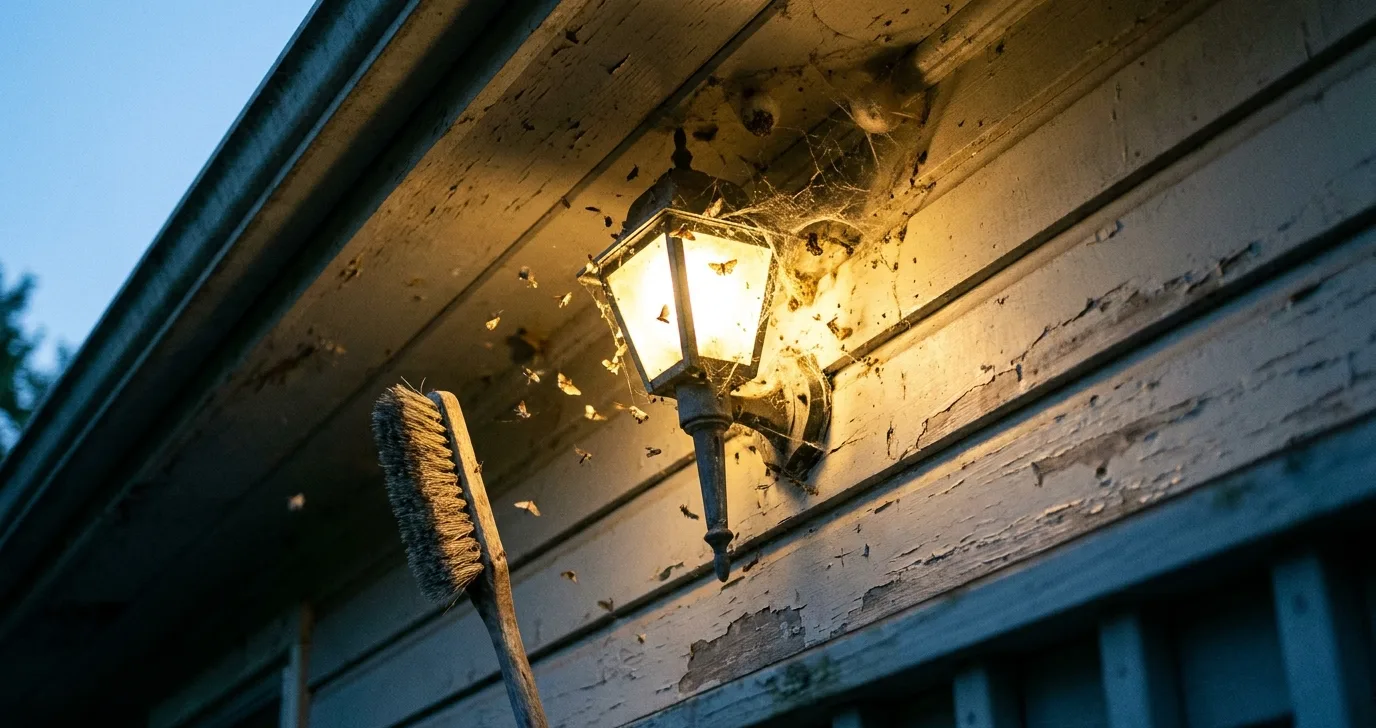
Visible Indicators During Inspection
- Silk threads stretched across window frames and door thresholds.
- Small egg sacs tucked into corners of storage shelves or cabinets.
- Dark specks of waste near baseboards where spiders rest.
- Live spiders crossing floors after lights turn on in the evening.
- Irregular webs suspended from ceiling joists in utility rooms.
Entry Point and Moisture Assessment
Technicians start outside by measuring soil contact with siding and looking for gaps larger than one eighth inch around utility lines. They record areas where downspouts empty near the foundation because constant dampness supports the small insects that spiders eat. Inside they check behind appliances and under sinks for condensation that keeps humidity high enough for spider survival.
Seasonal observations matter because many species become more active when temperatures drop and outdoor food sources decline. Our crews measure airflow through vents and note whether screens are intact. Any opening that allows air movement also allows spiders to follow scent trails from prey indoors.
Homeowners can first vacuum visible webs and remove stacked boxes from basements to expose travel routes before the crew arrives.
Targeted Material Application
Once inspection maps are complete technicians apply dust formulations containing silica or borate compounds into wall voids and behind baseboards. These materials remain effective in dry protected spaces and disrupt the spider digestive process when they groom after contact. Liquid applications stay limited to exterior perimeters where runoff will not reach indoor surfaces.
We avoid broad spraying of open floors because spiders spend most time in cracks rather than exposed areas. Instead small injection tools place product directly into harborage sites identified during the walk through. This approach reduces the amount of material used while reaching the locations where spiders molt and lay eggs.
Exterior treatments focus on foundation weep holes and expansion joints where spiders cross from soil into the structure during evening hours.
Exclusion and Habitat Modification
After treatment crews install door sweeps and repair torn window screens to close the most common travel routes. They also place exclusion foam around pipe penetrations that previously allowed spiders to move between floors. These physical changes limit reentry even when outdoor spider populations remain high.
Technicians advise clearing leaf litter and wood piles within two feet of the foundation because these piles harbor the insects that support spider numbers. They measure the distance between vegetation and siding to identify future trimming needs that reduce bridge points for climbing species.
Homeowners can begin by storing items in sealed plastic containers and running a dehumidifier in damp rooms to lower moisture levels that sustain prey insects.
Follow Up Checks and Seasonal Notes
Return visits focus on previously treated voids to confirm dust remains in place and that no new egg sacs have appeared. Crews recheck moisture readings around the foundation after heavy rain to see whether drainage adjustments are required. These checks occur at intervals that match spider life cycles rather than on a fixed calendar.
Different spider species respond to distinct conditions so notes from the first visit guide later material choices. For example funnel web builders need different void treatments than orb weavers that stay on exterior surfaces. Records track which entry points required additional foam after initial sealing settled.
Homeowners maintain results by continuing to vacuum corners monthly and keeping outdoor lights off when not in use to reduce flying insect activity near the structure.
Spider Control questions
What draws spiders inside a structure?
Spiders follow insect prey that gather near moisture and outdoor lighting. Cracks in foundations and gaps around doors provide routes indoors while cluttered storage areas offer protected resting spots. Reducing these conditions limits spider movement onto the property.
How do technicians locate spider activity?
Technicians inspect from the soil line upward checking for silk trails webs and egg sacs in voids. They note damp areas that support prey insects and measure gaps around utility entries. This systematic walk through identifies active zones before any material is applied.
What steps can homeowners take before service?
Vacuum existing webs and remove stacked items from basements or garages to expose travel paths. Clear vegetation touching the foundation and fix dripping faucets that create damp zones. These actions help the inspection focus on structural entry points.
Which materials stay effective after application?
Dust products placed inside wall voids and behind baseboards remain active in dry sheltered spaces. Exterior perimeter treatments target foundation crossings during evening hours. Follow up visits confirm the product stays in place and address any new activity.
First TVA Pest Control Spider Control
Contact First TVA Pest Control to schedule a Spider Control inspection focused on entry points and moisture sources.