
Mouse and Rat Control in the USA
First TVA Pest Control approaches Mouse and Rat Control by first mapping how rodents reach food and water inside a structure. Technicians note utility penetrations, foundation cracks, and roofline openings that commonly serve as entry points. They also record moisture sources such as leaking pipes or poor drainage that encourage nesting. Homeowners can begin by storing all food in sealed containers and wiping counters each evening to remove crumbs that draw rodents indoors.
Our technicians measure gaps around doors and windows to determine which openings exceed the quarter-inch width rodents need. They trace droppings to locate active travel routes and identify the species present. Once the layout is clear, crews install exclusion materials including copper mesh and expanding foam rated for exterior use. Bait stations are placed only after entry points are reduced so rodents encounter them along established paths. Details about mouse and rat control treatment steps appear on the homepage for First TVA Pest Control customers nationwide.
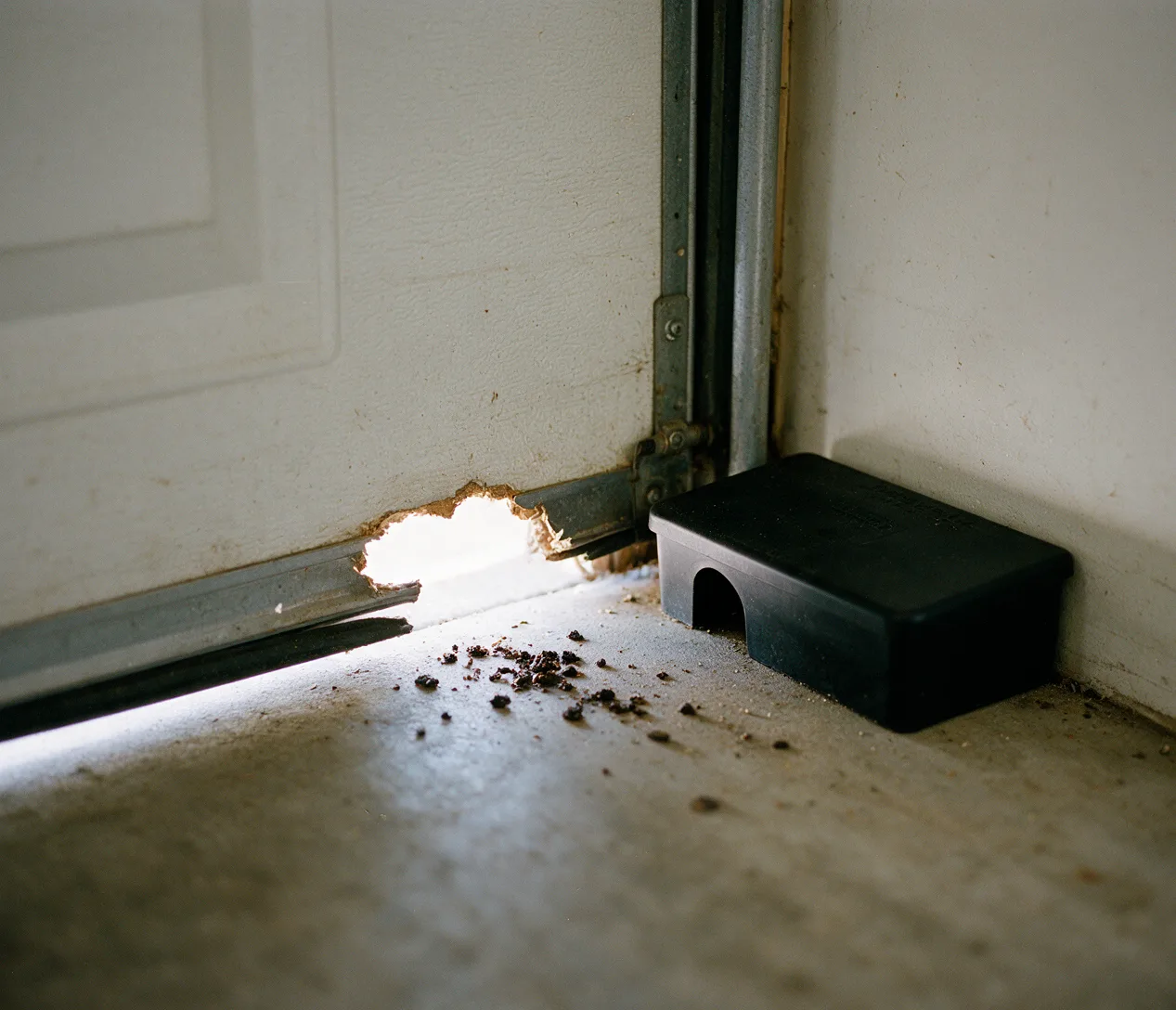
Observable Indicators of Rodent Presence
- Small dark droppings clustered near baseboards or cabinets
- Parallel gnaw lines on wood trim or electrical wiring
- Grease smears along walls where rodents travel repeatedly
- Nesting debris such as shredded paper or insulation scraps
- Scratching sounds inside walls during nighttime hours
Common Entry Points and Contributing Conditions
Rodents exploit openings around plumbing stacks and electrical conduits where sealant has aged or pulled away. They also use gaps under garage doors and around exhaust vents. Technicians measure each opening against species-specific size thresholds and note nearby vegetation that provides cover during approach.
Standing water from irrigation overspray or condensation lines supplies drinking sources that sustain populations. First TVA Pest Control records these conditions during inspection so treatment addresses both access and survival factors rather than symptoms alone.
Inspection Sequence Followed by Technicians
Technicians begin at the exterior foundation and move upward, checking for soil-to-siding contact and missing weep-hole screens. Interior work focuses on kitchens and utility rooms where food odors concentrate. Each room is scanned for rub marks at consistent heights and for droppings that indicate recent activity.
Moisture meters are used on base plates and under sinks to locate hidden damp areas rodents favor for nesting. Findings are logged on a diagram that guides later placement of monitoring devices and exclusion work.
Exclusion Materials and Installation Methods
Gaps are packed with stainless-steel wool before caulk is applied to prevent chewing through the seal. Larger openings receive metal plates or heavy-gauge screening secured with masonry anchors. Door sweeps are replaced with models that maintain contact across uneven thresholds.
First TVA Pest Control selects materials rated for exterior exposure and compatible with the substrate so seals remain intact through seasonal expansion. Installations are checked after completion to confirm no new gaps formed during the process.
Homeowner Steps Before Technician Arrival
Remove pet food bowls after each meal and store dry goods in bins with tight lids. Clear clutter from floor areas along walls so travel routes remain visible. Note any recurring sounds or odors and record the rooms where they occur.
These preparations allow technicians to focus inspection time on confirming active routes rather than clearing obstacles. First TVA Pest Control uses the information to prioritize sealing and monitoring locations during the initial visit.
Mouse and Rat Control questions
How do technicians locate hidden nests?
They follow fresh droppings and rub marks to narrow probable locations then use inspection mirrors and flashlights in voids. Moisture readings and temperature differences help identify insulated spaces rodents occupy without direct evidence on the surface.
What materials close rodent entry points permanently?
Steel wool combined with exterior-grade sealant fills small gaps. Larger holes receive sheet-metal patches or heavy mesh fastened with appropriate anchors. Door sweeps and vent covers complete the barrier once measurements confirm fit.
Should homeowners set traps before service?
No. Premature trapping can scatter rodents and create new entry routes as survivors seek shelter. First TVA Pest Control prefers to reduce access first so any monitoring devices later capture activity along remaining paths.
How does moisture affect rodent activity?
Constant water sources allow populations to remain indoors rather than seeking outdoor supplies. Technicians note condensation lines and pipe leaks during inspection and advise correction so exclusion work is not undermined by continued attractants.
Schedule Mouse and Rat Control
Contact First TVA Pest Control to begin an inspection focused on entry points and activity signs for Mouse and Rat Control.