
About First TVA Pest Control
First TVA Pest Control receives calls by collecting details about observed pests and property conditions. Technicians schedule visits and prepare to check for seasonal factors that influence activity. On arrival they begin with a systematic walk-through rather than immediate treatment. Homeowners receive explanations of visible signs and causes such as standing water or gaps around foundations. Work concludes with targeted applications and cleanup of the immediate area.
Questions about a job? Start on the First TVA Pest Control homepage or call (833) 343-8697.
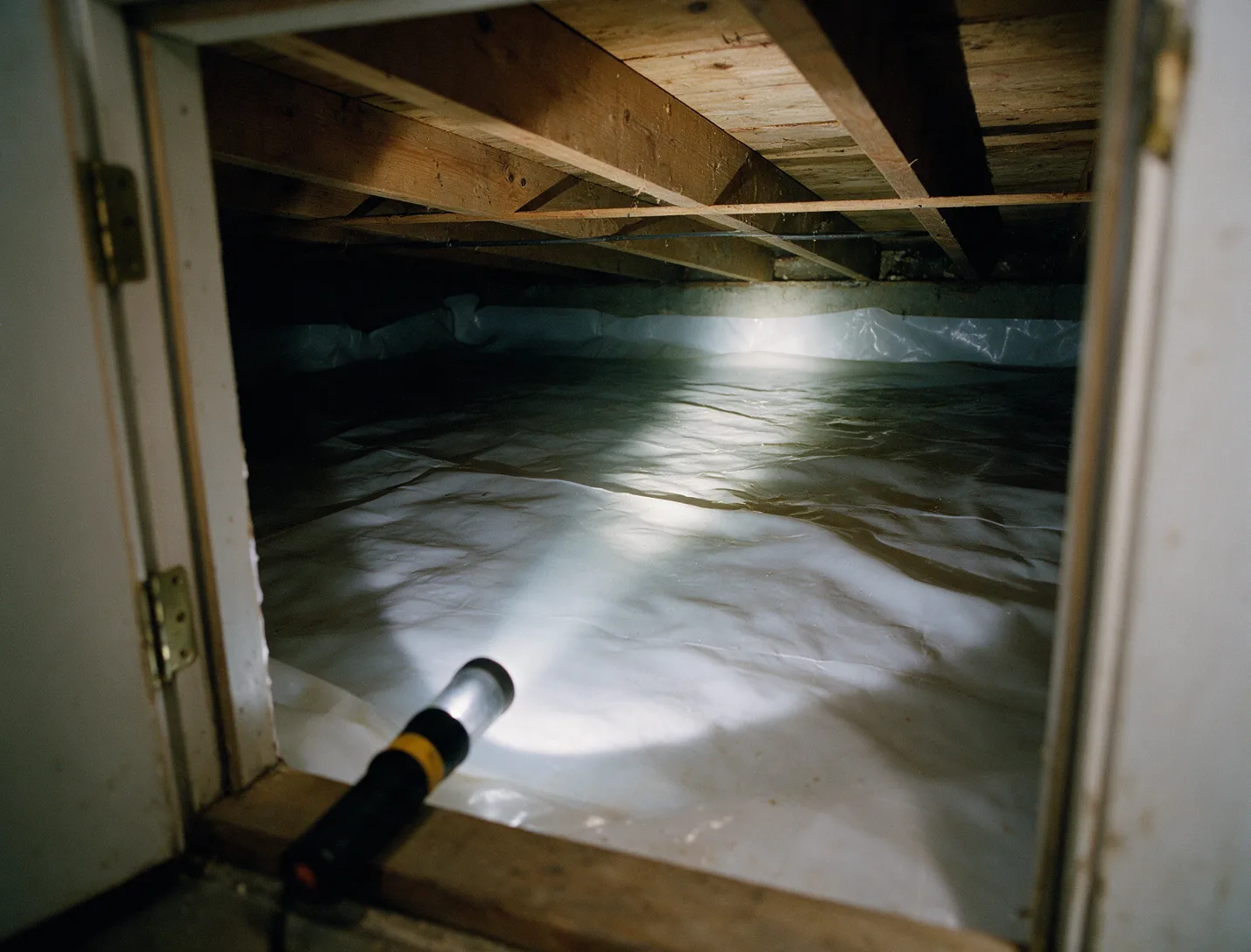
Inspection First
We examine moisture sources and entry points before choosing any treatment locations or products.
Findings Shared
Technicians point out actual signs and explain their connection to pest activity on site.
Area Restored
Work spaces are returned to original condition with equipment and debris removed after each visit.
Homeowner Prep
Clear guidance is given on steps residents can take before arrival to aid the inspection.
Managing Incoming Requests
When a homeowner contacts First TVA Pest Control the conversation centers on describing the pests seen and any recent changes like leaks or construction. Technicians note whether the issue appears during warmer months when ants and roaches increase or cooler periods when rodents seek shelter. Advice given at this stage includes clearing clutter from baseboards and removing pet food bowls to reduce attractants before the visit occurs. This preparation helps the inspection focus on actual entry points rather than secondary distractions.
Details collected also include prior attempts at control and any products already used. Such information prevents redundant steps and highlights whether moisture from poor drainage may be supporting silverfish or fleas. The technician records access points such as utility penetrations and recommends the homeowner move stored items away from exterior walls. These steps ensure the inspection can proceed without delays once the crew arrives on site.
Performing the Inspection
Technicians start at the foundation and move upward checking for cracks, gaps around pipes, and signs of moisture that draw termites or promote mold attractive to certain insects. Flashlights and inspection mirrors reveal activity behind appliances and in crawl spaces where homeowners rarely look. Droppings, shed skins, and webbing are documented along with their locations so patterns of movement become clear. Seasonal timing is considered because spring swarms or fall migrations change which species are likely present.
Interior checks include baseboards, under sinks, and attic accesses for trails or nests. Exterior focus shifts to vegetation touching the structure and standing water near the slab that supports fire ants or fleas. Each finding is photographed for later discussion rather than assumed. This methodical order prevents overlooking secondary issues that often accompany the primary complaint.
Explaining Observations
After the inspection the technician reviews each noted sign with the homeowner using the actual locations rather than general descriptions. Moisture stains on joists are pointed out as a contributing factor to silverfish presence while gaps around windows explain how spiders enter during evening hours. The explanation connects observed evidence to likely causes without speculation about unconfirmed sources. Homeowners learn which conditions they can adjust themselves such as fixing a dripping faucet or sealing a visible crack.
Treatment options follow the inspection summary and address only the confirmed issues rather than broad coverage. The technician describes product placement so the homeowner understands why certain areas receive attention and others do not. Questions are answered with references to the specific evidence found during the walk-through. This step ensures expectations align with the actual scope before any material is applied.
Finishing the Visit
Targeted treatments are placed in cracks, behind appliances, and at exterior perimeters according to the inspection map. Application stops once the identified points are addressed and no excess material remains visible. Tools and equipment are collected immediately afterward to avoid leaving residue or packaging on floors or counters. The homeowner is shown the treated locations so future monitoring can focus on those same areas.
Final walkthrough confirms all access points used during the visit have been returned to their prior state. Any displaced items are replaced and debris from the inspection is removed. The technician notes follow-up timing based on the pest life cycle observed rather than a fixed schedule. Homeowners receive guidance on simple ongoing checks such as examining window sills for new webs or monitoring moisture near the foundation.